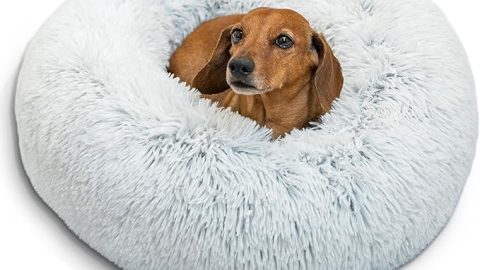

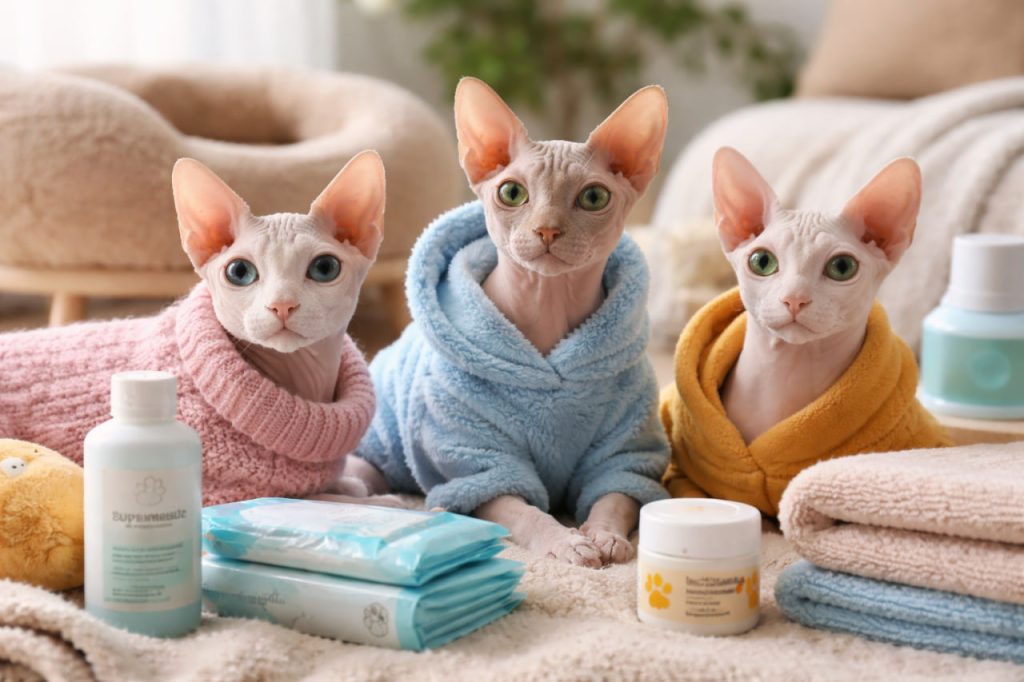
Essential care picks built for sensitive skin, warmth, and daily comfort
Hairless cats—like the beloved Sphynx, Peterbald, and Donskoy—have very different needs than coated breeds. Without fur, they lack natural insulation, absorb skin oils directly onto surfaces, and are more sensitive to temperature changes and sun exposure.
That doesn’t mean they’re fragile—but it does mean thoughtful product choices matter.
Top 5 Tips for Hairless Cat Owners
Hairless cats like the Sphynx, Peterbald, and Donskoy thrive with attentive—but simple—daily care. Their needs aren’t complicated, just different from coated breeds.
Here are five practical tips to keep your hairless cat healthy, comfortable, and happy.
Maintain a Warm, Draft-Free Environment
Without fur insulation, hairless cats lose body heat quickly.
Keep indoor temperatures comfortably warm (generally 72–80°F / 22–27°C). Provide:
- Heated beds or warming pads
- Fleece blankets in favorite lounging spots
- Sweaters for cooler days
Avoid placing beds near drafty doors, windows, or air vents. A consistently warm environment prevents cold stress and reduces unnecessary calorie burn.
Establish a Consistent Bathing Routine
Hairless cats produce normal skin oils—but without fur to absorb them, buildup happens quickly.
Most require bathing every 1–2 weeks. Use a gentle, fragrance-free, cat-safe shampoo and rinse thoroughly. After bathing:
- Pat dry with a soft towel
- Keep your cat warm until fully dry
- Clean ears gently (oil buildup is common)
Overbathing can cause dryness, so adjust frequency based on your cat’s skin condition.
Protect Skin From Sun Exposure
Hairless cats can sunburn—especially on the ears, nose, and shoulders.
Limit direct sun exposure during peak hours. If your cat enjoys window lounging:
- Use UV-filtering window film
- Apply pet-safe, zinc-free sunscreen when needed
- Provide shaded resting areas
Even indoor sunlight can cause irritation over time, so prevention matters.
Monitor Skin for Irritation or Acne
Because their skin is fully exposed, small issues are easier to see—but also easier to miss if you don’t check regularly.
Look for:
- Blackheads (often on chin or tail)
- Red patches
- Flaking or dryness
- Scratches or minor abrasions
Gently wipe problem areas with cat-safe wipes and consult your vet if irritation persists. Early attention prevents larger skin problems.
Feed High-Quality Nutrition to Support Skin Health
Hairless cats often have slightly higher metabolisms due to heat loss. Balanced, high-quality nutrition supports:
- Skin barrier function
- Oil balance
- Overall energy levels
Ensure adequate protein and healthy fats in their diet. Always consult your veterinarian before making major dietary changes.
The 8 Top Product Types for Hairless Cats, Focusing on Warmth, Hygiene, Skin Health and Comfort
1. Gentle Cat-Safe Shampoo (For Regular Bathing)
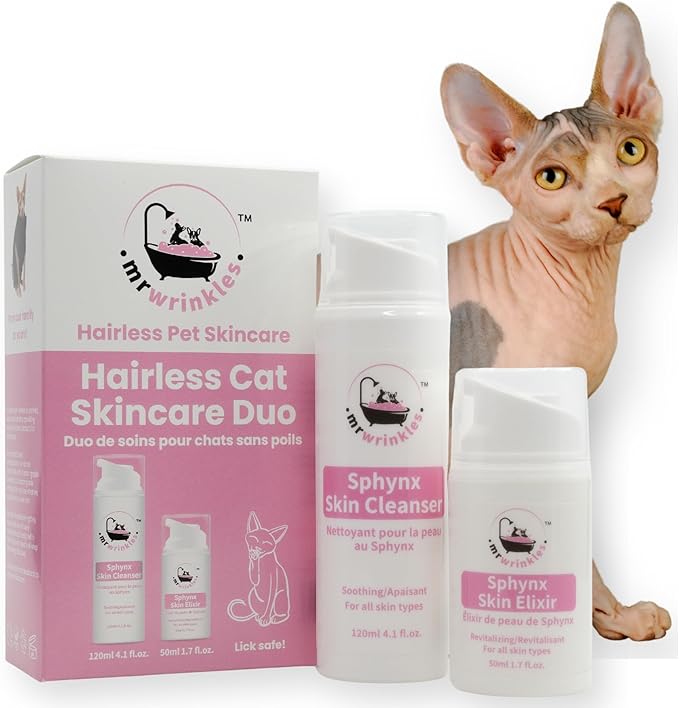
Hairless cats require regular bathing—usually every 1–2 weeks—because their skin produces oils that would normally be absorbed by fur.
Why It’s Essential
Without bathing, oil buildup can:
- Leave greasy residue on furniture
- Cause clogged pores and blackheads
- Lead to skin irritation
Features to Look For
- Fragrance-free or lightly scented
- Hypoallergenic formula
- Soap-free and pH-balanced for cats
- Easy-rinse consistency
Best For
All hairless cats, especially oily or acne-prone individuals.
Pros
- Maintains healthy skin balance
- Reduces odor
- Prevents pore buildup
Cons
- Requires routine commitment
- Overwashing can dry skin
To buy this product on Amazon, click here.
2. Soft Cat Clothing (Sweaters & Shirts)
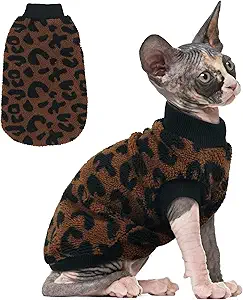
Hairless cats lose body heat quickly. Clothing isn’t just cute—it’s functional.
Why Clothing Helps
- Supports temperature regulation
- Reduces shivering
- Protects skin from minor scrapes
- Helps anxious cats feel secure
Features to Look For
- Stretchy, breathable fabric (cotton or fleece)
- Flat seams to prevent skin irritation
- Snug but not tight fit
- Machine washable
Best For
Indoor homes below 75°F (24°C), winter months, and drafty environments.
Pros
- Immediate warmth
- Stylish and functional
- Reduces energy spent staying warm
Cons
- Some cats need gradual introduction
- Must be cleaned frequently
To buy this product on Amazon, click here.
3. Heated Cat Bed
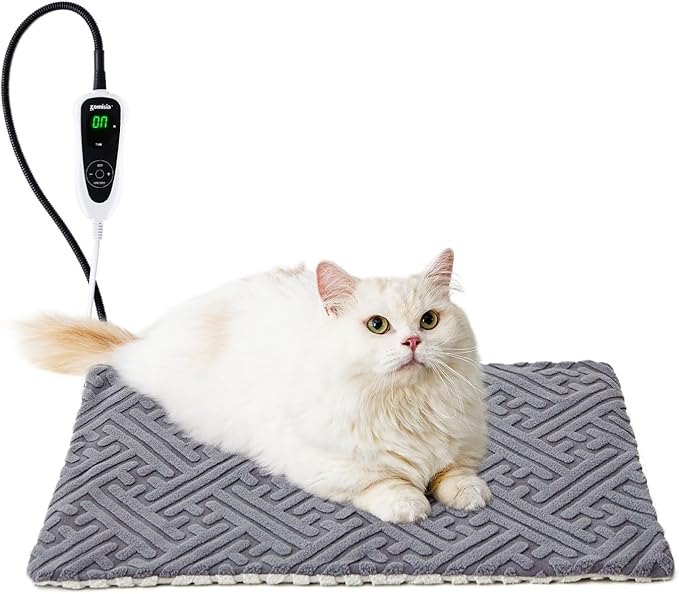
Hairless cats actively seek warmth. A heated bed mimics the comfort of sunbathing.
Why It’s Important
- Prevents cold stress
- Supports joint comfort
- Encourages restful sleep
Features to Look For
- Low, safe temperature settings
- Auto shut-off feature
- Removable washable cover
- Chew-resistant cord (if electric)
Best For
Homes with cooler floors, older cats, or cats that constantly seek heaters and laps.
Pros
- Deep comfort and relaxation
- Energy-efficient warmth
- Encourages designated sleep area
Cons
- Requires supervision initially
- Electrical models need safe placement
To buy this product on Amazon, click here.
4. Skin-Safe Moisturizing Wipes
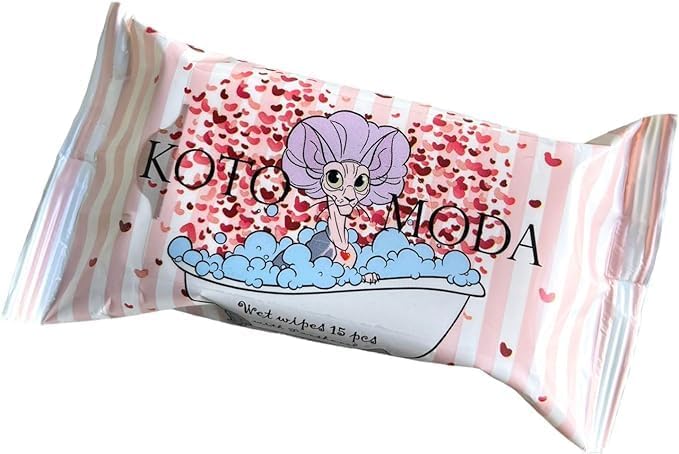
Between baths, wipes help control oil buildup and maintain cleanliness.
Why They’re Useful
- Quick touch-ups
- Remove surface oils
- Gentle cleaning for neck folds and paws
Features to Look For
- Alcohol-free
- Fragrance-free
- Aloe or oatmeal-infused
- Soft textured cloth
Best For
Busy owners, travel, and interim maintenance.
Pros
- Convenient
- Reduces grease transfer to furniture
- Good for sensitive areas
Cons
- Not a replacement for bathing
- Some formulas may leave residue
To buy this product on Amazon, click here.
5. High-Quality Cat Sunscreen (Pet-Safe)
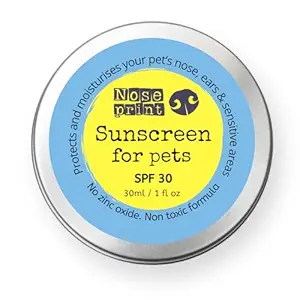
Hairless cats can sunburn—especially on ears, nose, and shoulders.
Why It Matters
UV exposure can cause:
- Painful burns
- Skin damage
- Long-term risk of skin disease
Features to Look For
- Specifically labeled pet-safe
- Zinc-free formula
- Non-greasy application
- Broad-spectrum protection
Best For
Cats that sunbathe near windows or go outdoors (supervised).
Pros
- Prevents painful burns
- Supports long-term skin health
Cons
- Requires reapplication
- Some cats dislike application
To buy this product on Amazon, click here.
6. Extra-Soft Blankets & Fleece Throws
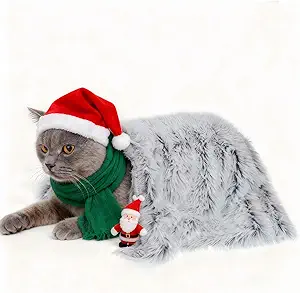
Blankets are a must-have for hairless cats. They burrow instinctively for warmth.
Why They’re So Loved
- Trap body heat
- Provide security
- Protect furniture from oil buildup
Features to Look For
- Lightweight fleece or sherpa
- Machine washable
- Non-shedding fabric
Best For
Couches, beds, crates, and travel carriers.
Pros
- Affordable and versatile
- Easy warmth boost
- Helps manage skin oils
Cons
- Requires frequent washing
To buy this product on Amazon, click here.
7. Humidifier (For Dry Climates)
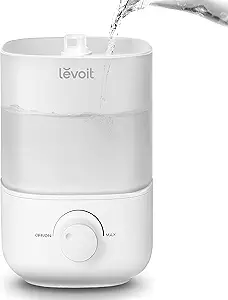
Hairless cats are more sensitive to dry indoor air.
Why It Helps
- Prevents skin dryness and flaking
- Supports respiratory comfort
- Reduces static irritation
Features to Look For
- Quiet operation
- Adjustable humidity levels
- Easy-clean tank
Best For
Winter months and heated indoor environments.
Pros
- Improves overall comfort
- Supports skin balance
Cons
- Requires regular cleaning
To buy this product on Amazon, click here.
8. Elevated Cat Tree with Soft Padding
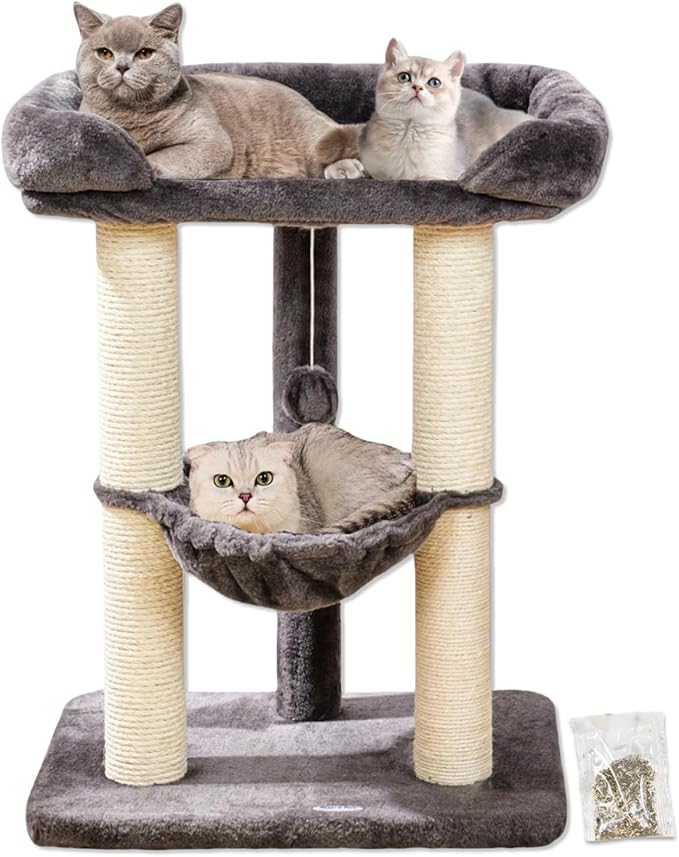
Hairless cats are active, intelligent, and social. A well-padded cat tree supports play and warmth.
Why It’s Important
- Encourages exercise
- Provides vertical territory
- Offers soft resting spots
Features to Look For
- Thick, soft platforms
- Stable base
- Washable cushion covers
- No rough sisal directly against bare skin
Best For
Energetic cats and multi-cat households.
Pros
- Combines enrichment and comfort
- Promotes physical health
- Creates safe observation spots
Cons
- Requires space
- Premium models can be costly
To buy this product on Amazon, click here.
How to Choose the Right Products for Your Hairless Cat
Start With Temperature Control
Cold home?
Clothing + heated bed + blankets
Warm home?
Lightweight clothing + shaded areas
Focus on Skin Health
Oily skin?
Gentle shampoo + wipes
Dry skin?
Humidifier + reduced bathing frequency
Sun exposure?
Pet-safe sunscreen
Match to Personality
Cuddler
Blankets + heated bed
Explorer
Padded cat tree
Sensitive or anxious
Snug clothing + warm sleeping zone
Safety Basics to Always Follow
- Avoid essential oils on skin
- Skip zinc-based sunscreen
- Monitor clothing for rubbing
- Wash fabrics frequently
- Check heated items regularly
Frequently Asked Questions
Do hairless cats need baths?
Yes. Most require bathing every 1–2 weeks to manage oil buildup.
Are they always cold?
They feel temperature changes more intensely and actively seek warmth.
Can they get sunburned indoors?
Yes—especially in strong direct sunlight through windows.
Is clothing mandatory?
Not always, but many benefit from it depending on indoor temperature.
Conclusion
Hairless cats aren’t high-maintenance—they’re simply different. With the right combination of warmth, skin care, and environmental support, they thrive beautifully.
Whether you’re caring for a playful Sphynx or another hairless companion, choosing products designed for sensitive skin and temperature regulation makes all the difference.
If you’d like, tell me your cat’s breed, age, and home temperature—and I’ll narrow this list down to the 2–3 most essential products for your setup.