
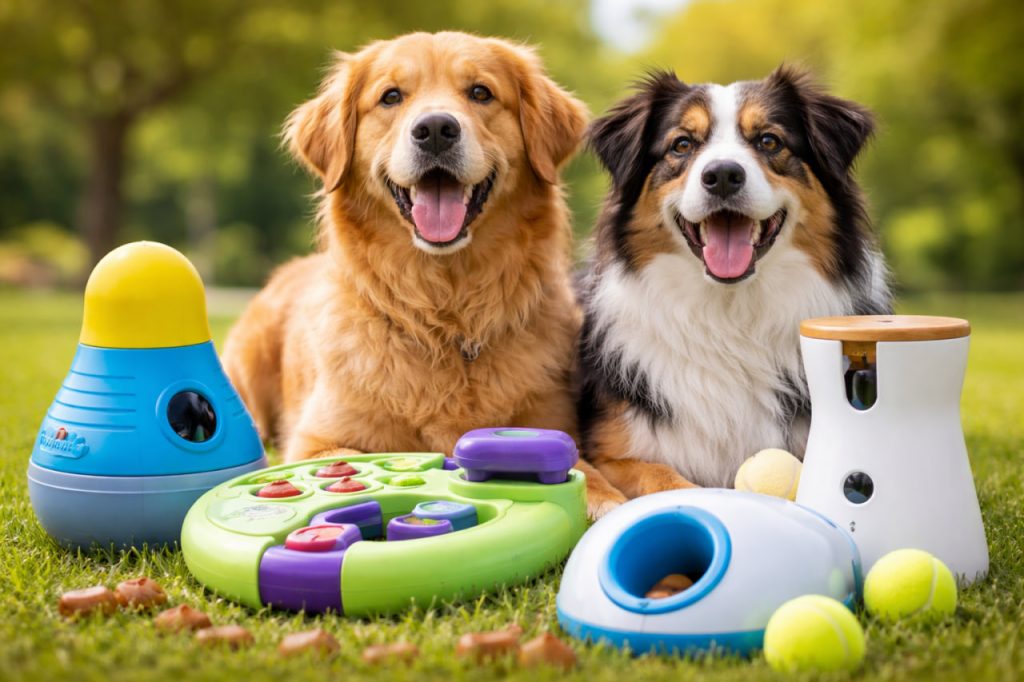
Smart toys for dogs have become an essential part of modern pet care. Today, dog owners increasingly understand that physical exercise alone is not enough. Dogs also need mental stimulation, problem-solving tasks, and interactive challenges to stay balanced, calm, and happy.
Why It’s Important to Give Your Dog Attention?
Dogs are social animals that thrive on connection with their owners. Attention is not just about entertainment — it is a core emotional need. Dogs that regularly receive interaction, praise, and engagement are generally calmer, more confident, and better behaved.
A lack of attention can lead to:
- Separation anxiety
- Excessive barking or whining
- Destructive chewing
- Depression or withdrawal
Spending time with your dog strengthens trust and reinforces positive behavior. Activities such as interactive play, training, and even calm companionship help dogs feel secure and understood.
While smart dog toys provide valuable mental stimulation, they should never replace human interaction. Toys can keep a dog busy, but only direct attention builds emotional bonds. The healthiest routine combines both: meaningful time with the owner and independent enrichment through interactive toys.
Dogs that feel emotionally fulfilled are more responsive, less stressed, and easier to train — making attention one of the most important investments an owner can make.
How Often Should You Play With Your Dog?
Regular play is a critical part of a dog’s physical and mental health. While exact needs vary depending on breed, age, and temperament, most dogs require at least 30–60 minutes of daily activity. This time should include both physical exercise and mental stimulation to keep the dog balanced and satisfied.
High-energy and working breeds often need even more engagement. Without enough playtime, dogs may become restless, anxious, or destructive. Interactive play helps release excess energy, improves focus, and supports healthy muscle and joint function.
Smart toys are especially useful on busy days when owners cannot dedicate long play sessions. Interactive dog toys and puzzle toys allow dogs to stay mentally engaged even when playing alone. However, smart toys should complement — not replace — walks, training, and direct interaction with the owner.
A well-balanced routine usually includes:
- Daily walks or outdoor activity
- Short training or enrichment sessions
- Independent play with smart toys
- Interactive playtime with the owner
Consistency is more important than duration. Even shorter, daily play sessions provide better results than occasional long ones.
Top 8 Smart Toys for Dogs
Unlike traditional chew toys, interactive dog toys and puzzle toys are designed to engage a dog’s brain. They help prevent boredom, reduce anxiety, slow down eating, and minimize destructive behaviors such as excessive barking or chewing furniture. Smart toys are especially beneficial for intelligent breeds, high-energy dogs, and pets that spend time alone during the day.
Below is a detailed guide to the 8 best smart toys for dogs, explaining how each toy works, what benefits it offers, and what limitations to consider before buying.
1. KONG Wobbler Interactive Treat Toy

The KONG Wobbler is a classic example of a treat-dispensing interactive dog toy that combines physical movement with mental engagement. Its rounded, weighted base causes the toy to wobble unpredictably, encouraging dogs to push, nudge, and paw it in order to release food.
This toy is particularly effective for dogs that eat too quickly, as it slows feeding while keeping the dog mentally focused. Instead of consuming meals in seconds, dogs must actively work for each piece of kibble, turning mealtime into a rewarding enrichment activity.
Pros:
- Provides strong mental stimulation through problem-solving
- Helps slow down fast eaters
- Encourages independent play
- Durable construction for regular use
- Easy to clean and refill
Cons:
- Can be noisy on tile or hardwood floors
- Not suitable for extreme power chewers
The KONG Wobbler is ideal for food-motivated dogs that need structured mental engagement during the day.
To buy this product on Amazon, click here.
2. Outward Hound Nina Ottosson Dog Brick Puzzle
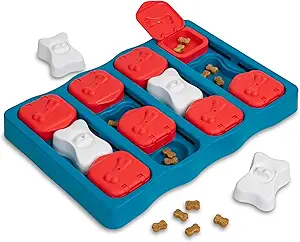
The Dog Brick Puzzle is a more advanced dog puzzle toy designed to challenge a dog’s cognitive abilities. It features sliding blocks and removable pieces that hide treats underneath, requiring dogs to think strategically and use their nose and paws effectively.
This type of puzzle is excellent for preventing boredom and improving focus. Dogs quickly learn that patience and experimentation lead to rewards, which helps build confidence and problem-solving skills over time.
Pros:
- Advanced mental enrichment
- Multiple challenge combinations
- Adjustable difficulty levels
- Made from safe, non-toxic materials
Cons:
- Not designed for chewing
- Supervision recommended during early use
This puzzle is best suited for intelligent dogs that enjoy structured challenges and indoor mental games.
To buy this product on Amazon, click here.
3. PetSafe Busy Buddy Twist ’n Treat
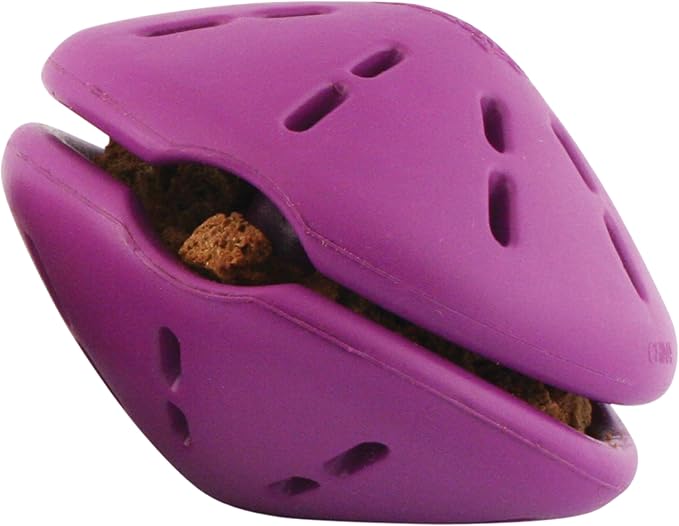
The Twist ’n Treat is a flexible rubber interactive treat toy that allows owners to control how easy or difficult it is for treats to fall out. By twisting the toy tighter or looser, you can adjust the challenge level based on your dog’s experience.
This toy is particularly useful for dogs new to puzzle toys, as it can start simple and gradually become more complex. It also supports healthier eating habits by encouraging dogs to work slowly for food.
Pros:
- Adjustable difficulty level
- Encourages independent play
- Helps slow down eating
- Compact and easy to clean
Cons:
- Rubber may wear down with heavy chewing
- Best for treat-motivated dogs
A great everyday enrichment toy for dogs that enjoy working for rewards.
To buy this product on Amazon, click here.
4. Interactive Ball Launcher
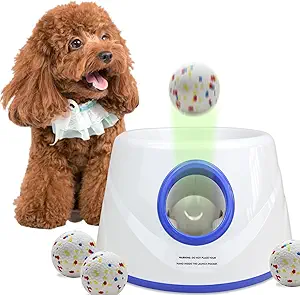
This is a smart interactive fetch toy designed for dogs that love running and retrieving. Once trained, dogs can drop the ball into the launcher themselves, allowing for independent play sessions that burn energy and improve coordination.
This toy is especially beneficial for high-energy dogs that need frequent physical activity. It helps prevent restlessness and destructive behavior by providing a structured outlet for exercise.
Pros:
- Encourages physical activity and endurance
- Supports independent play
- Adjustable launch distance
- Great for high-energy dogs
Cons:
- Requires initial training
- Needs batteries or power supply
- Not suitable for dogs uninterested in fetch
Ideal for active dogs that thrive on movement-based play.
To buy this product on Amazon, click here.
5. StarMark Bob-A-Lot Interactive Dog Toy
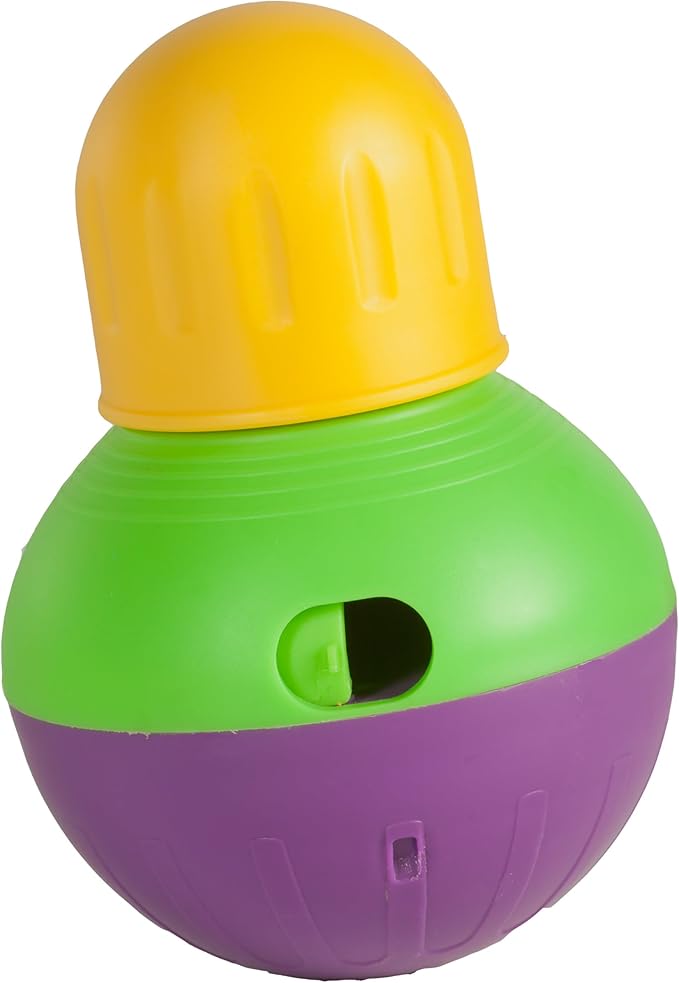
The Bob-A-Lot is a durable interactive dog toy for mental and physical stimulation. Its weighted bottom creates unpredictable movement, forcing dogs to engage both body and mind to release treats.
This toy works well as both an enrichment activity and a slow feeder, especially for medium and large dogs that enjoy pushing and chasing toys.
Pros:
- Strong, chew-resistant construction
- Adjustable openings for different difficulty levels
- Large treat or kibble capacity
- Combines physical movement with problem-solving
Cons:
- Too large for small breeds
- Can be loud on hard floors
Best for dogs that enjoy active, food-based challenges.
To buy this product on Amazon, click here.
6. PetSafe Electronic Dog Toy
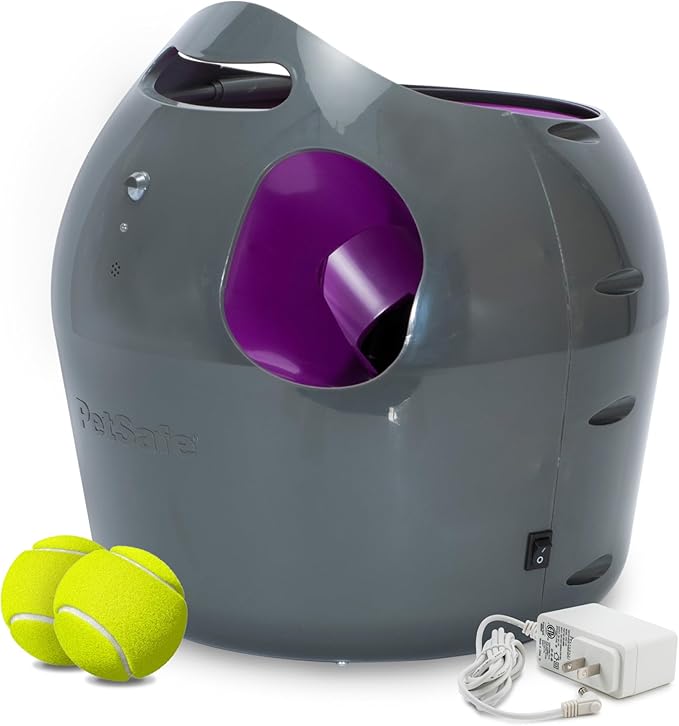
The PetSafe is an innovative electronic interactive dog toy designed to keep dogs mentally and physically engaged through sound-based play. The system consists of two connected units that communicate with each other, emitting random sounds that encourage dogs to move, search, and react.
When a dog interacts with one unit, the other activates, creating an unpredictable play pattern. This stimulates natural hunting instincts and keeps dogs engaged for longer periods compared to traditional toys. The unpredictable sound movement prevents boredom and encourages continuous exploration.
This toy is especially effective for dogs that enjoy chasing, searching, and problem-solving without relying on treats.
Pros:
- Encourages mental stimulation through sound-based interaction
- Promotes physical movement and exploration
- Works without treats, ideal for non-food-motivated dogs
- Automatic and suitable for independent play
- Durable design for repeated use
Cons:
- Requires batteries
- Sound-based play may not interest all dogs
- Not suitable for aggressive chewers
The PetSafe is a great smart toy option for dogs that enjoy interactive, sensory-driven play and need enrichment beyond food puzzles.
To buy this product on Amazon, click here.
7. Trixie Turn Around Puzzle
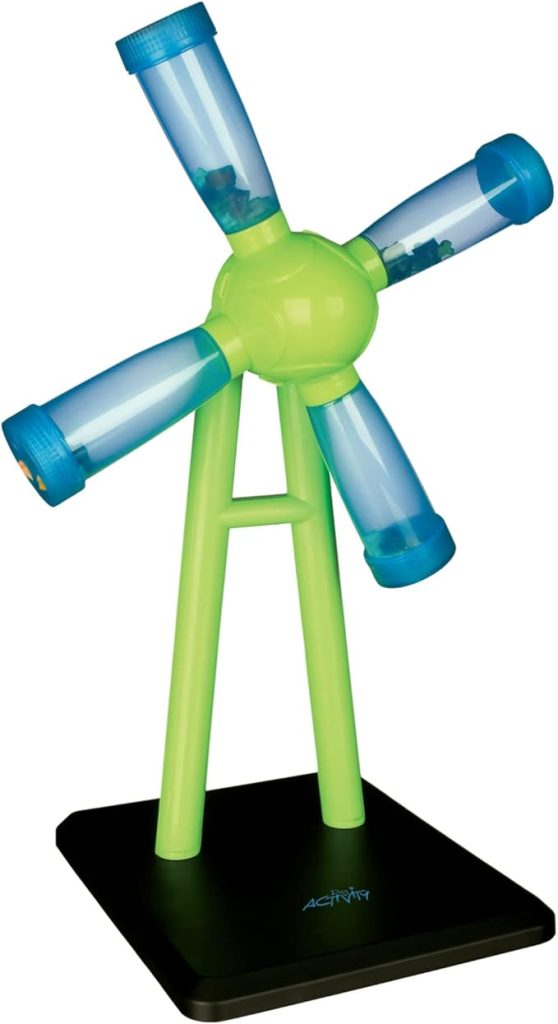
This puzzle toy challenges dogs to flip tubes upside down to release treats. It improves coordination, patience, and concentration while encouraging calm, focused play.
The structured design makes it a good option for dogs that enjoy learning step-by-step problem-solving tasks.
Pros:
- Unique and engaging design
- Develops motor skills and focus
- Non-slip base for stability
- Encourages calm mental work
Cons:
- Not suitable for chewers
- Requires supervision
- Can be frustrating for impatient dogs
Best for dogs that enjoy puzzle-style enrichment.
To buy this product on Amazon, click here.
8. Furbo Interactive Dog Camera Toy
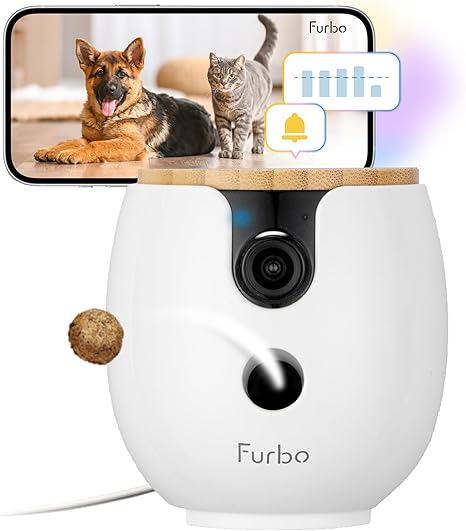
Furbo is a smart interactive dog device that allows owners to remotely toss treats, talk to their dog, and monitor activity through a camera. While it’s not a traditional toy, it provides mental engagement and emotional reassurance.
This device is especially useful for dogs that experience separation anxiety.
Pros:
- Remote treat dispensing
- Two-way audio communication
- Motion alerts and monitoring
- Helps reduce anxiety
Cons:
- Requires Wi-Fi
- Limited physical interaction
Ideal for dogs that struggle when left alone.
To buy this product on Amazon, click here.
How to Choose the Right Smart Toy for Your Dog
Choosing the right smart toy is essential for safety, effectiveness, and long-term engagement. Not every interactive toy suits every dog, so understanding your dog’s individual needs is key.
When selecting interactive or puzzle toys for dogs, consider the following factors:
Dog Size and Strength
Toys should be appropriate for your dog’s size and jaw power. Small dogs may struggle with large or heavy toys, while large dogs can easily damage lightweight puzzles.
Energy Level
High-energy dogs benefit from toys that involve movement or physical effort, such as ball launchers or wobbling treat dispensers. Calm or senior dogs may prefer slower-paced puzzle toys.
Chewing Behavior
Aggressive chewers require durable, chew-resistant toys. Softer puzzle toys are better suited for gentle players or supervised use.
Food Motivation
Dogs that are motivated by treats respond best to food-dispensing toys and puzzles. For less food-driven dogs, movement-based or interactive toys may be more engaging.
Experience Level
Beginner dogs should start with simple puzzles. Increasing difficulty gradually prevents frustration and builds confidence.
The best smart toy is one that matches your dog’s personality, not just their breed. Observing how your dog plays will help you choose toys that provide lasting enrichment and enjoyment.
Frequently Asked Questions
Why Are Smart Toys Important for Dogs?
They stimulate cognitive function, reduce boredom, and help prevent destructive behaviors.
How Often Should Dogs Use Smart Toys?
Daily sessions of 15–30 minutes are ideal, especially for intelligent or high-energy breeds.
Are Smart Toys Safe?
Yes, when size-appropriate and used under supervision, especially during initial play.
Do Smart Toys Replace Human Interaction?
No — they complement it. Smart toys enrich play but don’t replace bonding time.
Conclusion
Smart toys for dogs are not just a trend — they are an important part of a balanced and responsible approach to pet care. Modern dogs face many challenges, including limited physical activity, long periods of time spent alone, and a lack of mental stimulation. Without proper enrichment, these factors can lead to boredom, anxiety, destructive behavior, and emotional imbalance.
Interactive dog toys and puzzle toys help address these issues by engaging a dog’s natural instincts to explore, solve problems, and work for rewards. They stimulate cognitive functions, encourage independent thinking, and provide a productive outlet for both mental and physical energy. Over time, regular interaction with smart toys can improve focus, reduce stress, and support healthier behavior patterns.
However, smart toys are most effective when used as part of a broader routine. They should complement daily walks, training sessions, and direct interaction with the owner — not replace them. Dogs thrive on attention, structure, and consistency. Combining human connection with thoughtfully selected interactive toys creates an environment where dogs feel secure, engaged, and fulfilled.
Choosing the right smart toy is equally important. A toy that matches your dog’s size, energy level, chewing habits, and motivation will provide long-lasting engagement and prevent frustration or safety risks. Gradually increasing the level of challenge helps keep playtime exciting while supporting continuous learning and mental growth.
By investing in high-quality smart toys for dogs, you are investing in your dog’s mental health, emotional well-being, and overall quality of life. Thoughtful enrichment leads to calmer behavior, stronger bonds, and a happier, healthier companion — not just today, but throughout every stage of your dog’s life.