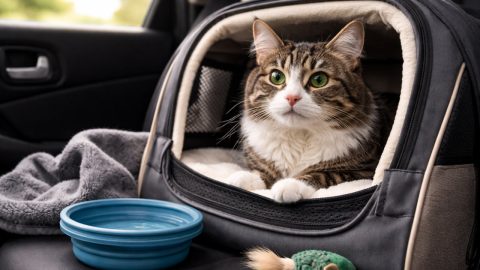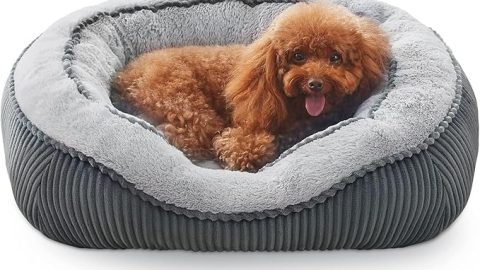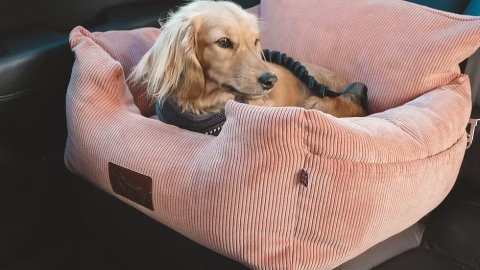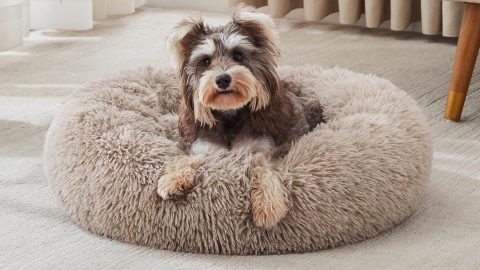

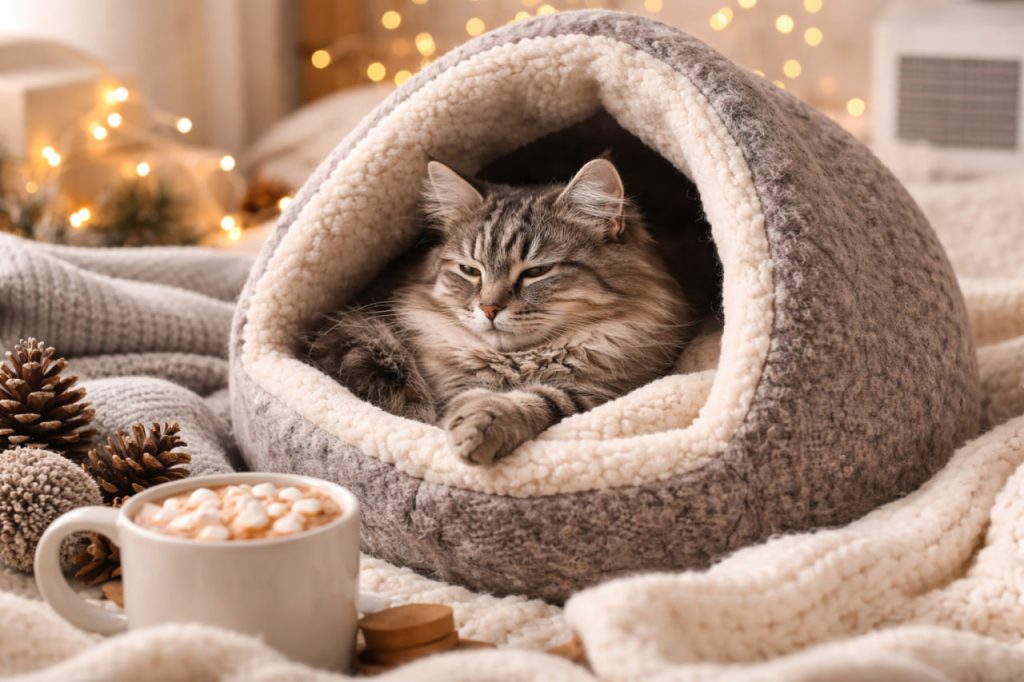
Warmth, safety, and comfort-first picks for cozy winter living
What Temperature Is Comfortable for Cats?
Cats are naturally warm-blooded animals with a normal body temperature between 100.5°F and 102.5°F (38°C–39.2°C). Because of this, they typically prefer environments that feel slightly warmer than what most humans consider comfortable.
Ideal Indoor Temperature Range
For most healthy adult indoor cats, a comfortable room temperature falls between:
68°F and 77°F (20°C–25°C)
Within this range, cats can regulate their body temperature easily without using extra energy to stay warm. However, preferences can vary depending on age, coat type, health status, and activity level.
When Is It Too Cold?
Temperatures below 60°F (15°C) can start to feel uncomfortable for many cats, especially if:
- They are senior cats
- They have arthritis or joint issues
- They are short-haired or hairless breeds
- They are underweight
- They spend long periods resting on cold floors
Below 50°F (10°C), prolonged exposure can become unsafe, particularly for outdoor cats. Signs your cat may be too cold include:
- Curling tightly into a ball for extended periods
- Seeking heat sources (radiators, vents, laps)
- Cold ears, paws, or tail tip
- Shivering (a late sign and more serious)
When Is It Too Warm?
While this article focuses on cold weather, it’s worth noting that temperatures above 85°F (29°C) can become uncomfortable or even dangerous for cats, especially without ventilation. Cats tolerate warmth better than cold—but only up to a point.
Factors That Influence Comfort
Coat Type
- Long-haired cats tolerate cooler rooms better.
- Short-haired or hairless cats need warmer environments.
Age
- Kittens and seniors struggle more with temperature regulation.
Health
- Cats with chronic illness or low body fat may feel cold faster.
Floor Surfaces
- Tile, concrete, and hardwood feel significantly colder than carpet.
Quick Comfort Rule
If your home feels slightly cool to you while wearing a light sweater, your cat may already be seeking extra warmth—especially during long naps. Providing a warm resting option (like a thermal bed or heated mat) ensures your cat can self-regulate rather than endure discomfort.
The goal isn’t to keep your home overly warm—it’s to give your cat access to warmth when they want it. Cats are excellent at choosing their preferred temperature when given options.
If you’d like, tell me your home’s average winter temperature and your cat’s age and coat type—I can help you determine whether supplemental heat is necessary.
The 8 Top-rated Product Types That Balance Warmth, Practicality and Feline Comfort
When temperatures drop, indoor cats feel it—and outdoor or senior cats feel it even more. Cold weather can stiffen joints, reduce circulation, and make resting spots uncomfortable. The key isn’t just adding warmth; it’s choosing products that are safe, breathable, and suited to your cat’s tolerance level.
Below is a curated list of 8 top-rated product types that balance warmth, practicality, and feline comfort—followed by a quick guide to choosing the right setup for your cat.
1. Self-Warming Cat Bed
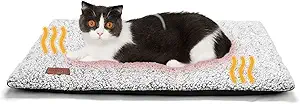
Self-warming beds use reflective thermal layers to bounce your cat’s body heat back toward them—no electricity required. They’re ideal for cautious cats who dislike cords or heating elements.
Most designs look like plush donut or bolster beds. The warmth comes from an inner insulating layer (similar to space-blanket material) sandwiched inside soft fabric.
Best for: Indoor cats, mild winters, safety-first households.
Detailed Features to Look For
- Reflective thermal lining: Often built into the bed base so your cat’s own heat is retained rather than lost to cold floors.
- High walls / bolsters: These help block drafts and give cats a sense of security.
- Machine washable cover: Removable covers make cleanup easy after winter shedding or occasional accidents.
- Non-skid backing: Useful on tile and wood floors so the bed stays in place.
Pros:
- No electricity needed
- Low maintenance
- Soft and familiar design
- Good for cats that dislike plug-in heat
Cons:
- Not as warm as electric options
- May make a light crinkling sound in some models
To buy this product on Amazon, click here.
2. Electric Heated Cat Bed (Thermostat-Controlled)
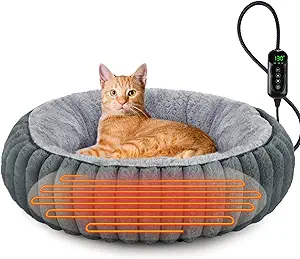
Heated cat beds maintain a consistent low-level warmth—usually just above your cat’s body temperature. The best models include chew-resistant cords and automatic temperature regulation.
These are especially helpful for senior cats or cats with arthritis, as gentle warmth can ease stiffness.
What Makes the Best Electric Heated Bed
- Thermostat control: Prevents overheating by keeping heat steady rather than blasting high heat.
- Chew-resistant wiring: Especially important for curious kitties who mouth cords.
- Low voltage: Safer than standard household power.
- Water-resistant pad: Protects the heater and wiring from spills.
Where to Place It
- Near a favorite nap spot
- In drafty rooms
- On carpeted areas (not directly on wet floors)
Pros:
- Steady warmth
- Supports joint comfort
- Excellent for drafty rooms
Cons:
- Requires safe outlet placement
- Not ideal for cats who chew cords
To buy this product on Amazon, click here.
3. Microwavable Heating Pad
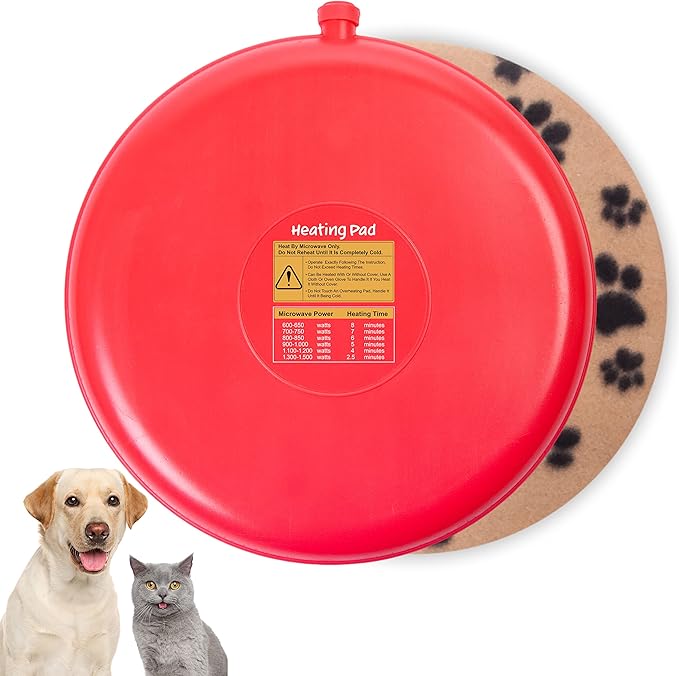
These pads warm in the microwave and slowly release heat for several hours. They’re cord-free and portable—great for carriers, travel, or temporary warmth boosts.
Because they cool gradually, they avoid overheating risks common with some plug-in devices.
Why These Work Well
- Dense heat retention: Gel or seed inserts hold warmth long after heating.
- Soft covers: Many include fleece or plush protective covers so your cat doesn’t sit on hot plastic.
- Portable: Use in carriers, beds, perches, or on laps.
Safety Tips
- Always follow heating instructions—overheating can damage the pad or cover.
- Let cool slightly before offering to cats.
- Never heat pads with electric components inside.
Best for: Travel, carriers, outdoor cat shelters.
Pros:
- No electricity needed
- Portable and flexible
- Safe when used as directed
Cons:
- Requires reheating
- Heat duration varies
To buy this product on Amazon, click here.
4. Insulated Outdoor Cat House
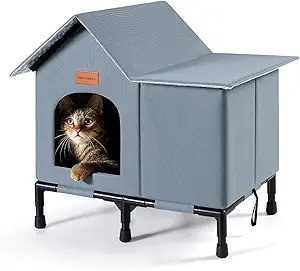
For outdoor or community cats, insulation is critical. A proper winter shelter is elevated, waterproof, wind-resistant, and lined with insulating materials (never loose blankets that trap moisture).
Some models include safe heated pads designed specifically for outdoor use.
What to Prioritize
- Raised floor: Keeps cold ground away from the sleeping area.
- Double walls: Traps air and keeps heat in.
- Wind-resistant entrance: A small, offset doorway reduces drafts.
- Waterproof construction: Keeps rain and snow out.
Optional Add-Ons
- Heated pads rated for outdoor use
- Straw (not hay) for natural insulation
- Door flaps to block wind
Best for: Outdoor cats, feral colonies, porch setups.
Pros:
- Protection from wind and moisture
- Retains internal warmth
- Durable for winter conditions
Cons:
- Needs proper placement
- Larger footprint
To buy this product on Amazon, click here.
5. Thermal Cat Blanket
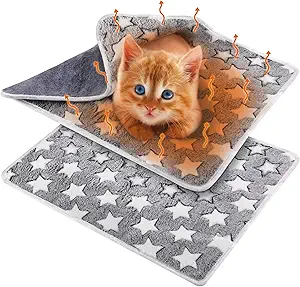
A thermal blanket is one of the simplest winter upgrades. These lightweight blankets contain reflective layers or insulating fleece to retain heat.
They’re ideal for layering inside existing beds or placing on favorite nap spots.
Materials That Work Best
- Reflective fibers: Similar to emergency blankets, but soft and fabric-based.
- Thick fleece: Holds warmth and feels cozy.
- Quilted layers: Traps air for added insulation.
Versatile Use
- Line a bed box
- Drape over a perch
- Tuck into carriers
Best for: Budget-friendly warmth upgrades.
Pros:
- Affordable
- Washable
- Easy to move around
Cons:
- Doesn’t provide heat on its own
- Some cats kick blankets away
To buy this product on Amazon, click here.
6. Radiator or Window Perch Bed
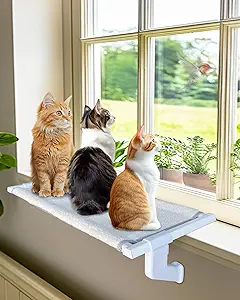
Cats naturally seek heat sources. A radiator hammock or insulated window perch gives them elevated warmth while satisfying their love of height.
Window perches can also capture passive solar heat during winter days.
Types Available
- Radiator hammocks: Clip or strap onto radiators for gentle warmth from below.
- Window perches: Suction cups hold a platform near sunny windows.
- Bolstered perches: Add cozy cushioning and insulation.
Placement Tips
- Check radiator surface temperature so it’s warm but not hot.
- Mount window perches on clean, smooth glass for secure hold.
- Keep perches away from drafts.
Best for: Sun-loving cats, apartment living.
Pros:
- Uses natural heat sources
- Encourages lounging
- Space-saving design
Cons:
- Requires stable mounting
- Not suitable for all window types
To buy this product on Amazon, click here.
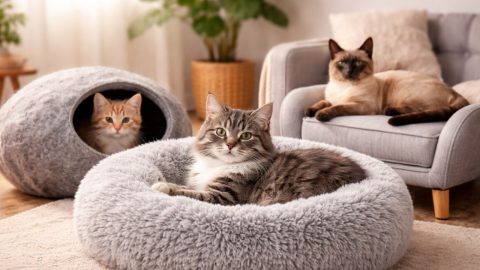
7. Cozy Cat Cave (Enclosed Bed)
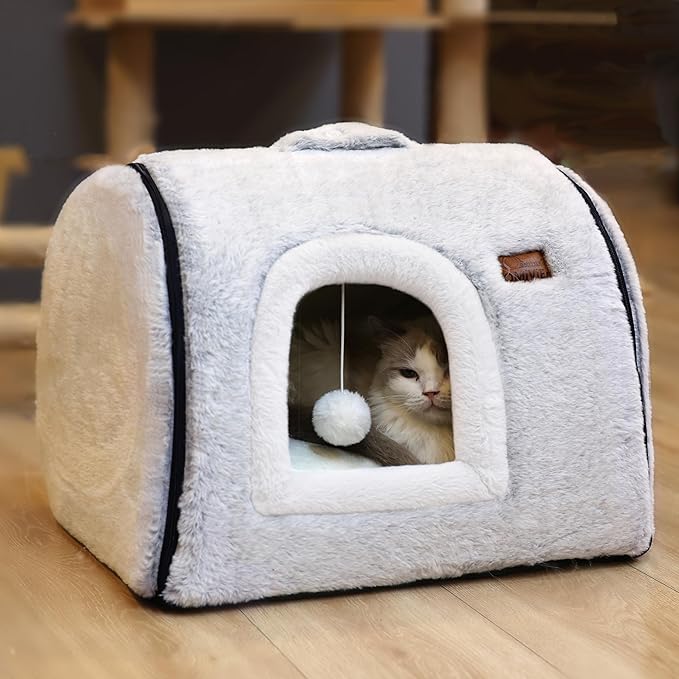
Enclosed beds trap body heat effectively and block drafts. Felted wool cave beds are especially insulating while remaining breathable.
They’re excellent for shy cats who prefer privacy.
Cave Bed Features
- Nest-like entry: Helps keep heat in.
- Wool or thick felt: Natural insulation and moisture resistance.
- Firm shape: Maintains structure even when nested.
Comfort Benefits
- Reduces airflow exposure
- Mimics den-like security
- Provides a quiet retreat
Best for: Anxious or draft-sensitive cats.
Pros:
- Excellent heat retention
- Reduces airflow exposure
- Feels secure and den-like
Cons:
- Not ideal for cats who prefer open visibility
- Must be sized properly
To buy this product on Amazon, click here.
8. Pet-Safe Heated Floor Mat
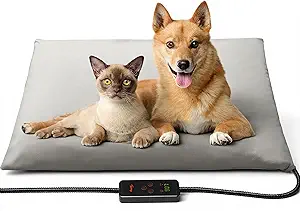
Low-wattage heated mats are designed to sit under bedding or directly on the floor. They’re thinner than full beds and often waterproof—useful for tile or garage spaces.
Look for models labeled specifically for pets, with temperature regulation.
Key Considerations
- Waterproofing: Protects electronics in accident-prone areas.
- Low voltage: Safer for pets and homes.
- Chew resistance: Important for curious cats.
Placement Suggestions
- Under favorite blankets
- In laundry rooms where floors get cold
- Near nap spots on hard floors
Best for: Cold floors, garages, laundry rooms.
Pros:
- Thin and versatile
- Controlled temperature
- Works under existing beds
Cons:
- Needs cord management
- Must monitor placement carefully
To buy this product on Amazon, click here.
How to Choose the Right Cold-Weather Product for Your Cat
Start with your cat’s age and health.
Senior cats or those with arthritis benefit most from steady warmth (heated beds or mats).
Think about your home’s temperature patterns.
Drafty floors? Heated mat. Sunny window? Perch bed. Outdoor space? Insulated shelter.
Consider personality.
- Shy cats → enclosed caves
- Confident loungers → open heated beds
- Heat seekers → radiator/perch setups
Always prioritize safety.
Use pet-specific heating products only. Avoid human heating pads or electric blankets not designed for animals.
Frequently Asked Questions
Do indoor cats need heated beds?
Not always—but they often appreciate them, especially in cooler climates or drafty homes.
Are electric heated beds safe?
Yes, if designed specifically for pets and used according to instructions.
How warm should a cat bed be?
Warm to the touch, not hot. Most pet heating products stay slightly above body temperature.
What temperature is too cold for cats indoors?
Generally, below 60°F (15°C) can feel uncomfortable for many cats, especially seniors or thin-coated breeds.
Conclusion
Keeping your cat comfortable in cold weather doesn’t require complicated setups. Whether you choose a simple thermal blanket or a thermostat-controlled heated bed, the goal is the same: steady, safe warmth that matches your cat’s habits and comfort level.
If you’d like, tell me your cat’s age, coat type (short/long hair), and whether they’re indoor or outdoor—I can narrow this list to the 2–3 best winter comfort picks for your specific cat.