
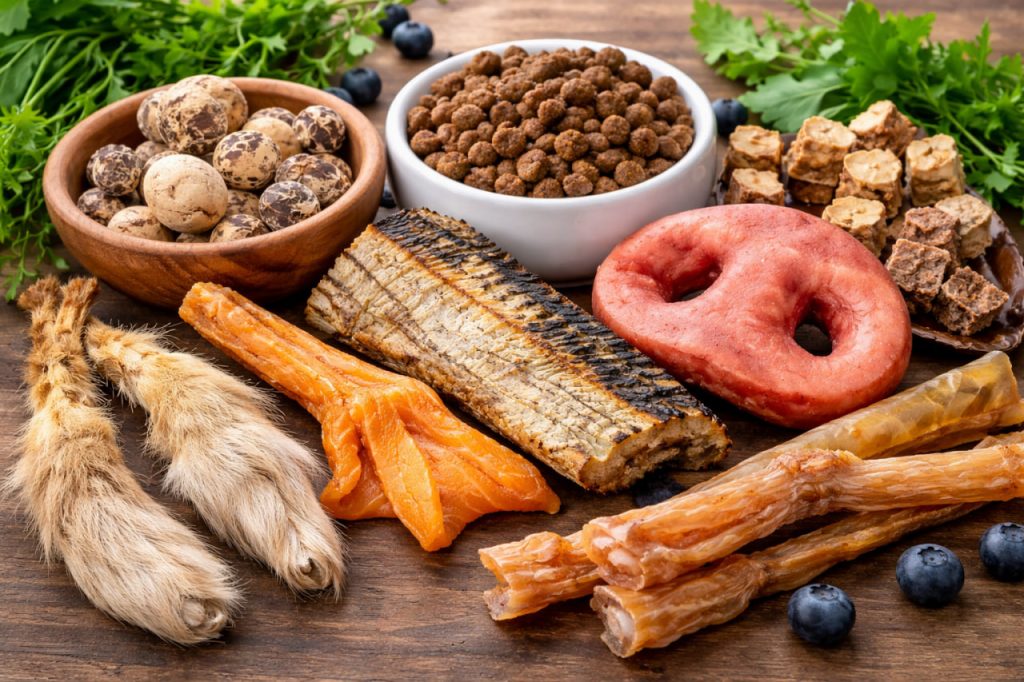
“Unusual” dog treats aren’t just about shock value (though yes, some of them do look like props from a sci-fi movie). The best oddball treats deliver one or more of these benefits:
- Novel proteins for dogs bored of the usual chicken/beef
- Different textures for enrichment (crunchy, chewy, lickable)
- Single-ingredient options that keep things simple for sensitive stomachs
- Big photo / “what is THAT?” energy for special moments
Below are 8 standout products that hit the sweet spot between fun, functional, and actually wearable for your dog’s digestion—followed by a quick guide to choosing the right “weird treat” for your pup.
Why Are Unusual Dog Treats Trending Right Now?
Unusual dog treats are having a moment because they sit at the intersection of enrichment, diet awareness, and modern pet culture. It’s not just “people buying weird stuff for laughs”—there are real reasons these treats keep showing up in carts.
They add fast enrichment without changing your whole routine
A new smell, texture, or chew style can instantly make treat time more engaging. Many dogs get bored with the same biscuit every day, especially smart, high-energy breeds. Unusual treats (like crunchy salmon skin, chewy rabbit ears, or a lickable kefir topper) create novelty, and novelty is mentally stimulating for dogs. Even short chew sessions can help a dog settle, focus, and burn off a bit of “busy brain” energy.
Owners are rotating proteins more (and looking beyond chicken and beef)
More people are paying attention to itchiness, ear issues, stomach upsets, and “mystery sensitivities.” Whether or not a dog has a true allergy, owners often notice their dog does better when they switch things up. That’s where unusual proteins come in—insects, rabbit, duck, fish—because they’re different from the most common ingredients in everyday foods and treats. For some dogs, a novel protein treat can be an easier “yes” than experimenting with a whole new kibble.
Single-ingredient treats feel safer and simpler
A lot of unusual treats are oddly straightforward: one animal part, dehydrated. That simplicity is appealing because it reduces guesswork. If a dog reacts poorly, it’s easier to identify the cause when the ingredient list isn’t ten items long. That’s why things like salmon skin, duck feet, or rabbit ears have become popular—people like the idea of “this is literally just one thing.”
People want treats that do something (not just taste good)
Treats are being used more intentionally now:
- Chews for boredom and calm behavior
- Lickable toppers (like kefir) for slow, soothing enrichment
- Crunchy treats for texture and “satisfying” reward
So even if the treat is unusual, it’s often being chosen because it fits a job: distraction at the vet, downtime after a walk, crate training, grooming sessions, or “something to focus on” when visitors arrive.
Social media rewards instant, recognizable “moments”
A dog chewing a pig snout or carrying a duck foot is a “what am I looking at?” moment that grabs attention immediately. Unusual treats also photograph well because they’re visually distinct—more so than a standard brown biscuit. That doesn’t mean owners buy them only for content, but it does help certain products go viral, which keeps them trending year after year.
The market has expanded, so it’s easier to buy “weird” safely
A few years ago, many unusual treats were niche or hard to find. Now, big retailers and well-known brands carry more novelty options with clearer packaging, portion guidance, and sourcing notes. Even the “weird” treats are often offered in multiple sizes and formats—training bites, chews, toppers—so owners can choose something that matches their dog’s tolerance level.
Dogs vary a lot, and unusual treats let owners match personality and preferences
Some dogs want to chew, some want to lick, some want quick rewards. The unusual treat category offers:
Soft enrichment (kefir, pâté toppers)
That variety makes it easier for owners to pick something that feels custom to their dog rather than forcing a one-size-fits-all snack.
Minimal mess options (freeze-dried organs, insect treats)
High chew satisfaction (ears, feet, snouts)
8 Unusual Dog Treat Products That Balance Fun, Practicality, and Digestive Common Sense
1. Jiminy’s “Cravin’ Cricket” (Insect Protein Treats / Food)
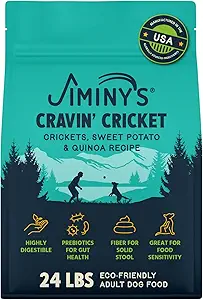
If you want “unusual” without getting too intense, cricket-based treats are a great entry point. Jiminy’s positions crickets as a nutrient-dense, digestible protein option.
Why it works: It’s novel, often allergy-friendly for dogs reacting to common meats, and easy to portion for training.
More detail
- Texture & smell: Typically closer to a “standard treat” experience than animal-part chews—meaning many dogs accept it quickly. Smell is usually noticeable but not as intense as fish skin or organ treats.
- Best for: Dogs with boredom around common proteins, dogs who need high-value training rewards without greasy residue, and households that want something unusual that still feels “normal.”
- Portioning tip: Use as micro-rewards. If your dog trains better with frequent payouts, choose smaller pieces or break treats into halves/quarters to keep calories reasonable.
- Sensitive stomach strategy: Introduce over 2–3 days: a couple pieces on day 1, then slowly increase. Novel proteins can still upset a stomach if you go from 0 to “full handful” in one day.
Pros:
- Novel protein that many dogs haven’t had before
- Good training treat format (easy to portion)
- Great conversation-starter without being graphic
Cons:
- Some dogs need a gradual intro to new proteins
- Not ideal if your dog is picky about smell/texture
To buy this product on Amazon, click here.
2. Wild Earth “Koji” Dog Treats (Fungi-Based Protein Treats)
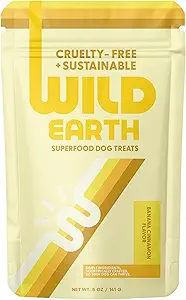
Want something unusual that still feels like a normal treat? Koji-based treats are a newer trend—protein-forward, shelf-stable, and a great option when you want to rotate away from common meats without jumping straight to “animal-part chews.”
Why it works: It’s a novel protein source that can be easier for some dogs who don’t do well with the usual chicken/beef rotation, and it’s simple to portion for training.
More detail
- Texture & smell: Usually a classic “training treat” feel—small, easy-to-chew pieces with an aroma that’s appealing but not as intense as fish skin or organ treats.
- Best for: Dogs who get bored easily, dogs who need frequent training rewards, and owners looking for “unusual” that’s still clean and convenient.
- Portioning tip: Use tiny pieces for high-frequency training (recall, leash manners). You’ll get more sessions per bag and fewer upset stomach surprises.
- Sensitive stomach strategy: Even though it’s not a meat chew, it’s still a new protein—start with a few pieces and build up gradually over a few days.
Pros:
- Unusual protein source without “graphic” chew visuals
- Great for training and portion control
- Convenient, low-mess format
Cons:
- Some dogs prefer meat-forward smells
- Still needs a slow intro if your dog reacts to novelty
To buy this product on Amazon, click here.
3. Salmon Skin Treats (Smoked Crispy Salmon Skin)
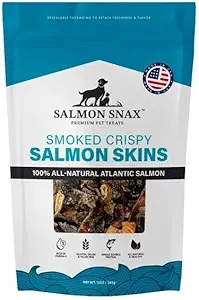
Salmon skin treats are weirdly perfect: crunchy, strongly scented (in a good way for dogs), and often single-ingredient.
Comfort-first tip: Salmon skin is rich—start small, especially for dogs prone to GI upset.
More detail
- Texture & engagement: The crunch is a big deal—many dogs find crunchy treats more satisfying than soft chews because there’s a “reward loop” of crackle + flavor.
- Best for: Dogs that love fishy smells, dogs that need higher-value rewards, and dogs who benefit from short, satisfying crunch sessions (instead of long chews).
- Serving formats: You can give a whole piece as a special reward or snap it into smaller shards for training.
- Storage tip: Keep in a sealed container. Fish-scent treats can “perfume” a pantry fast.
- Extra caution: Very enthusiastic chewers may try to swallow large pieces—break into size-appropriate pieces for gulpers.
Pros:
- Big crunch = strong enrichment payoff
- Often single-ingredient and protein-forward
- Great for coat/skin-support goals (omega-3s)
Cons:
- Strong odor
- Can be rich for sensitive dogs if you overdo it
To buy this product on Amazon, click here.
4. Dried Rabbit Ears with Fur (Chew + “Nature Mode”)
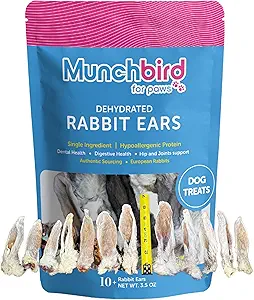
Rabbit ears with fur are peak unusual—and they’re popular because they’re species-appropriate, chewy, and naturally engaging.
Comfort-first tip: Always supervise. Fur + chew items aren’t a “set and forget” snack.
More detail
- Chew style: Rabbit ears are usually a medium chew—not as rock-hard as some bones, but not a quick bite either.
- Best for: Dogs that enjoy shredding/chewing and dogs who do well with novel proteins.
- Not ideal for: Heavy gulpers, dogs with a history of swallowing chews, or dogs that get possessive with high-value items (unless you’re actively managing).
- Mess factor: Fur can shed little bits. It’s normal, but it’s not the cleanest living-room snack.
- Session tip: Offer on an easy-to-clean surface, and remove small leftover pieces if your dog starts trying to swallow fragments whole.
Pros:
- Long-ish chew time for many dogs
- Novel protein option (great for rotation)
- Natural texture that some dogs love
Cons:
- Not for dogs that gulp/bolt chews
- Can leave little fur crumbs in the house
To buy this product on Amazon, click here.
5. Whole Duck Feet (Crunchy Joint-Friendly Chew)
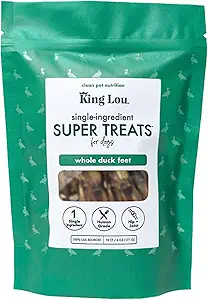
Duck feet are wonderfully weird: crunchy, satisfying, and often marketed for natural collagen and chew value.
More detail
- Texture & sound: Duck feet are usually very crunchy. Some dogs love that snap; others find it startling at first.
- Best for: Confident chewers who enjoy crunch and can handle odd shapes without trying to inhale them.
- Sizing strategy: Match the chew to your dog’s mouth. For small dogs, consider supervised partial sessions or selecting smaller pieces if available.
- Supervision note: Because the treat can break down as it’s chewed, you want to watch how your dog handles fragments and remove anything that becomes a swallow-risk chunk.
- Dental note: If your dog has fragile teeth or prior dental issues, crunchy chews may be a no-go—choose softer “lick” enrichment instead.
Pros:
- Crunchy texture dogs often love
- More “chew-like” than a cookie
- Novel-ish protein compared to chicken treats
Cons:
- Crunchy bones = must supervise
- Not ideal for dogs with fragile teeth or intense gulping habits
To buy this product on Amazon, click here.
6. Pig Snouts (Crunchy, High-Impact Novelty)
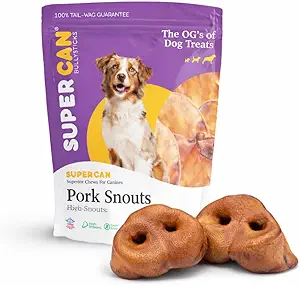
Pig snouts are a classic “unusual treat” because they look wild and dogs go nuts for them.
Comfort-first tip: Pork chews can be rich. If your dog has a sensitive gut, keep sessions short and portion small.
More detail
- Motivation level: Pig snouts are often “VERY high value.” This is great for special rewards, but it can also trigger resource guarding in some dogs—feed thoughtfully.
- Best for: Dogs that love gnawing and have a track record of handling richer treats without digestive drama.
- Serving approach: Think “special occasion treat,” not daily snack. You can also limit chew time and store the rest (if your dog tolerates that routine).
- Mess & smell: Usually moderate-to-strong. Plan for a chew spot that’s easy to clean.
- Gut-friendly tip: Pair with normal meals that day and avoid stacking multiple rich treats (snout + organ treats + fish skin all in one evening is a classic regret).
Pros:
- Very motivating for many dogs
- Great special reward treat
- Strong chew satisfaction
Cons:
- Can be rich/fatty depending on processing
- Smell level: medium-to-intense
To buy this product on Amazon, click here.
8. Freeze-Dried Quail Eggs (Whole-Food Topper + “Weird Treat” Upgrade)
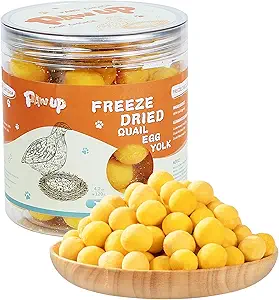
Unusual doesn’t have to be crunchy or chewy. Freeze-dried quail eggs are a fun, nutrient-dense option that can work as a treat, a topper, or a crumble—especially for picky eaters who need something different to get excited about meals.
Pros:
- Great as a topper or “bonus treat”
- Easy to portion (whole, crushed, or sprinkled)
- Strong novelty factor for picky dogs
Cons:
- Rich for some dogs—start small
- Not ideal for dogs on strict low-fat diets
More detail
- Best for: Picky eaters, dogs who do better with “food-like” treats, and owners who want an unusual treat that’s clean and easy to store.
- Easy ways to serve:
- Offer one egg as a special reward
- Crumble a small amount over kibble for instant meal excitement
- Mix into a lick mat with a little wet food for slower enrichment
- Portion control: Because eggs are nutrient-dense, think “small add-on,” not a big snack bowl.
- Sensitive stomach strategy: Start with a pinch of crumble first—then increase only if stools stay normal.
To buy this product on Amazon, click here.
8. Freeze-Dried Single-Ingredient Oddities (Liver, Hearts, Sardines)
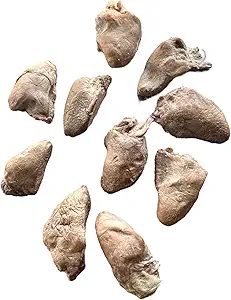
If you want a weird treat that’s clean, portable, and not messy, freeze-dried organ treats or whole-fish treats are an easy win. You’ll find options like beef liver, chicken hearts, minnows, or sardines.
More detail
- High reward value: Freeze-dried organ and fish treats usually have a strong aroma that dogs find irresistible—great for training and recall.
- Best for: Owners who want unusual treats without dealing with greasy chews or strong fish oils on hands.
- How to serve: Give whole pieces for big rewards or crumble into “treat dust” as a meal topper for picky eaters.
- Richness warning: Organ meat is nutrient-dense and can be rich. Keep portions small, especially for small dogs.
- Pocket practicality: Some brands crumble easily; carry in a hard container if you hate treat powder in your jacket.
Pros:
- High value for training (strong smell = strong motivation)
- Simple ingredients, easy storage
- Great “sprinkle topper” option when crumbled
Cons:
- Can be rich—especially organ meats
- Some brands are very crumbly in pockets/bags
To buy this product on Amazon, click here.
How to Choose the Right Unusual Treat
Start with your dog’s “treat style.”
- Gulpers/swallowers: avoid hard chews and odd shapes (feet, snouts, ears) unless you can supervise closely.
- Chewers: rabbit ears, duck feet, salmon skin can be satisfying.
- Lickers: kefir on a lick mat is a win.
Choose novelty with a purpose.
- Sensitivities? Try novel proteins (cricket, rabbit, insect-based treats).
- Bored easily? Choose high-texture treats (skins, feet, ears).
Introduce new treats like you introduce new foods.
Small amount first, watch the poop, then scale up.
Treats should be treats.
Even “healthy” unusual snacks can be rich—keep it to a reasonable portion of daily calories.
Frequently Asked Questions
Are unusual treats safe for all dogs?
Many are safe when chosen correctly, but chew-type treats (ears/feet/snouts/skins) should be supervised, sized properly, and avoided for dogs that gulp or have dental issues.
What’s the easiest “weird treat” for beginners?
Cricket-based treats or small salmon skin pieces are usually the easiest entry point—novel, but not overly intense.
Do unusual treats help with boredom?
Yes—new smells/textures can provide real enrichment, especially chew and lick-style options.
Conclusion
Unusual dog treats are at their best when they’re fun, safe, and matched to your dog’s chewing style. If you want variety, try a discovery pack. If you want high-impact enrichment, go for salmon skin, rabbit ears, duck feet, or snouts—with supervision. And if your dog prefers soft rewards, goat kefir can be a surprisingly practical “treat upgrade.”